Environmental health education
Educational resources can help people understand environmental hazards, sanitation, hygiene and preventive practices. Useful learning connects reliable information with the conditions people encounter in daily life.
Food hygiene awareness
Important topics include personal hygiene, safe food storage, temperature control, cross-contamination prevention, food handling, cleaning and sanitation. Food safety responsibilities vary by context, and official requirements should always be checked.
Water and sanitation awareness
Water hygiene, contamination prevention, responsible water management and hygiene in shared facilities are important public health considerations. Cleanliness and routine maintenance help support healthier environments.
Environmental protection awareness
Waste reduction, responsible waste handling, environmental cleanliness, pollution prevention and sustainable resource use are relevant educational topics. Awareness can help people understand the wider effects of their choices.
Professional learning
Continuing professional development, ethics, regulatory awareness and scientific developments help professionals keep their knowledge current. Knowledge-sharing is most useful when it is evidence-based and respectful of professional boundaries.
Community health education
Public information can help people better understand conditions affecting their homes, workplaces and communities. Clear communication should explain risks without unnecessary alarm and indicate when official advice is appropriate.
Association photographs
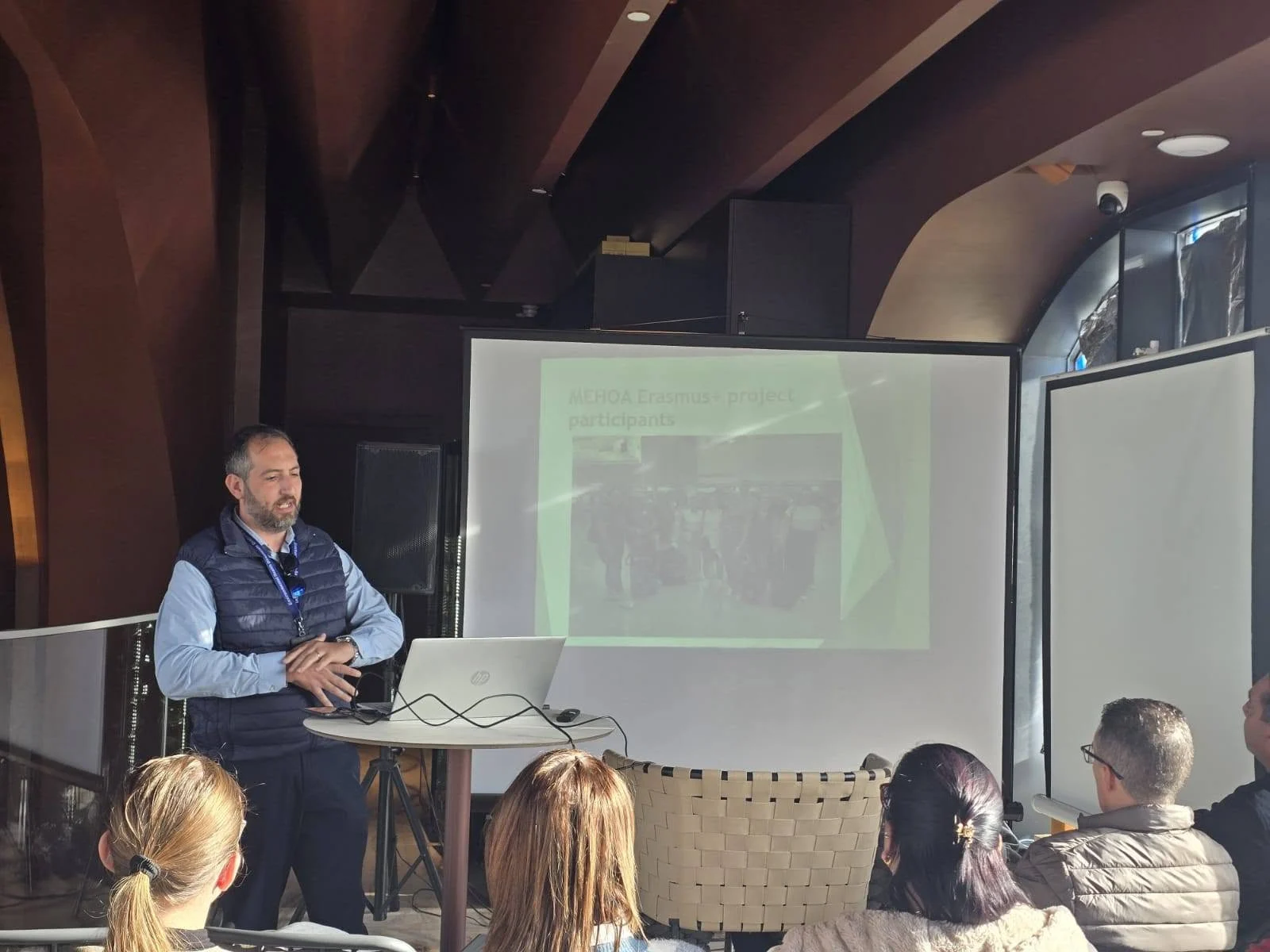
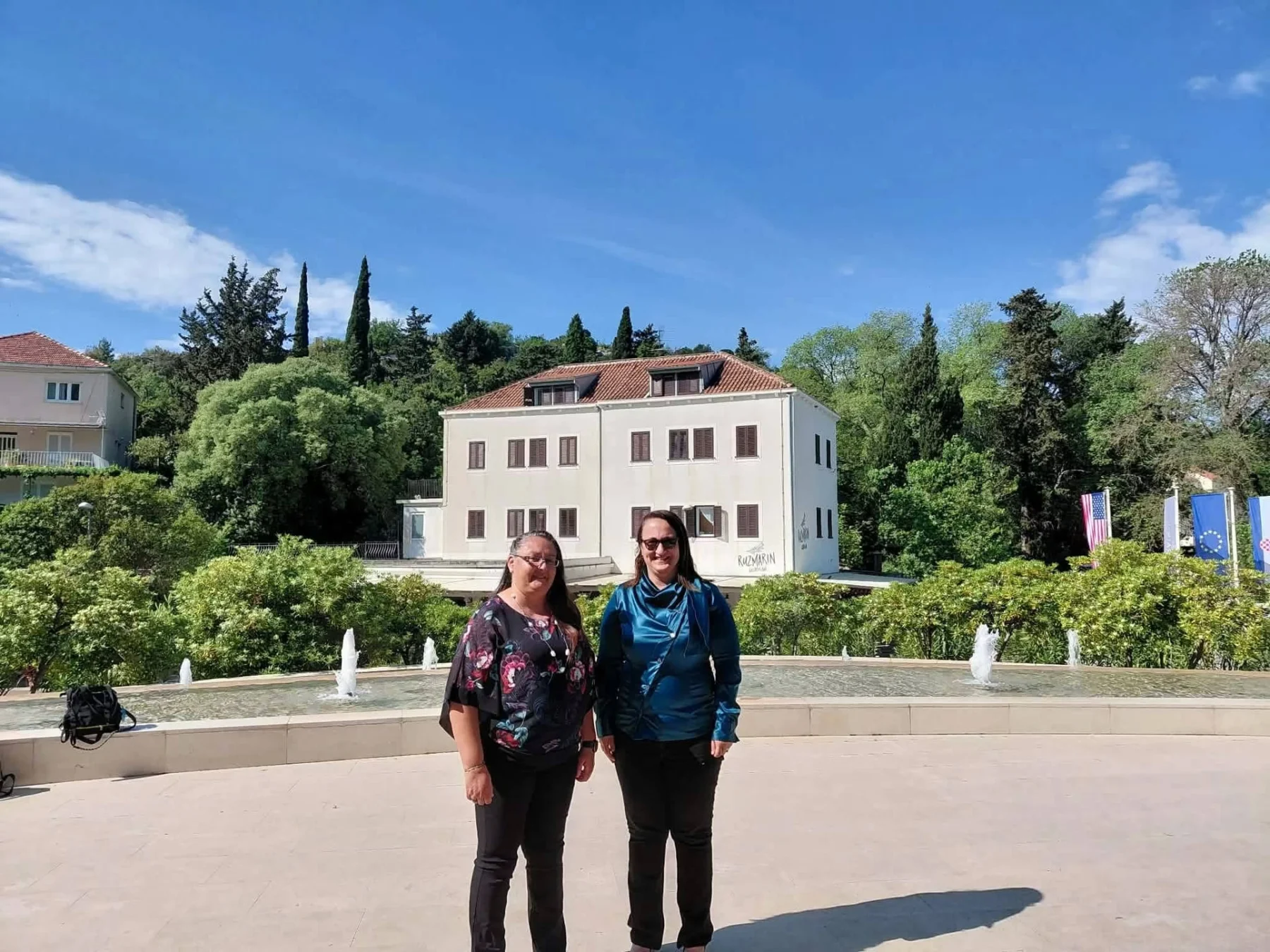
Supplied photographs are shown without attributing unverified dates, names, positions or event details.